Hurt in a crash — and now you're finding out the hard part isn't just the pain? Doctors who won't see accident cases. Adjusters calling before you know what's wrong. We fix the whole situation: a same-day, no-cost injury evaluation, a clear plan for your recovery, and staff who untangle the insurance for you.
Same-day appointments held for accident patients.
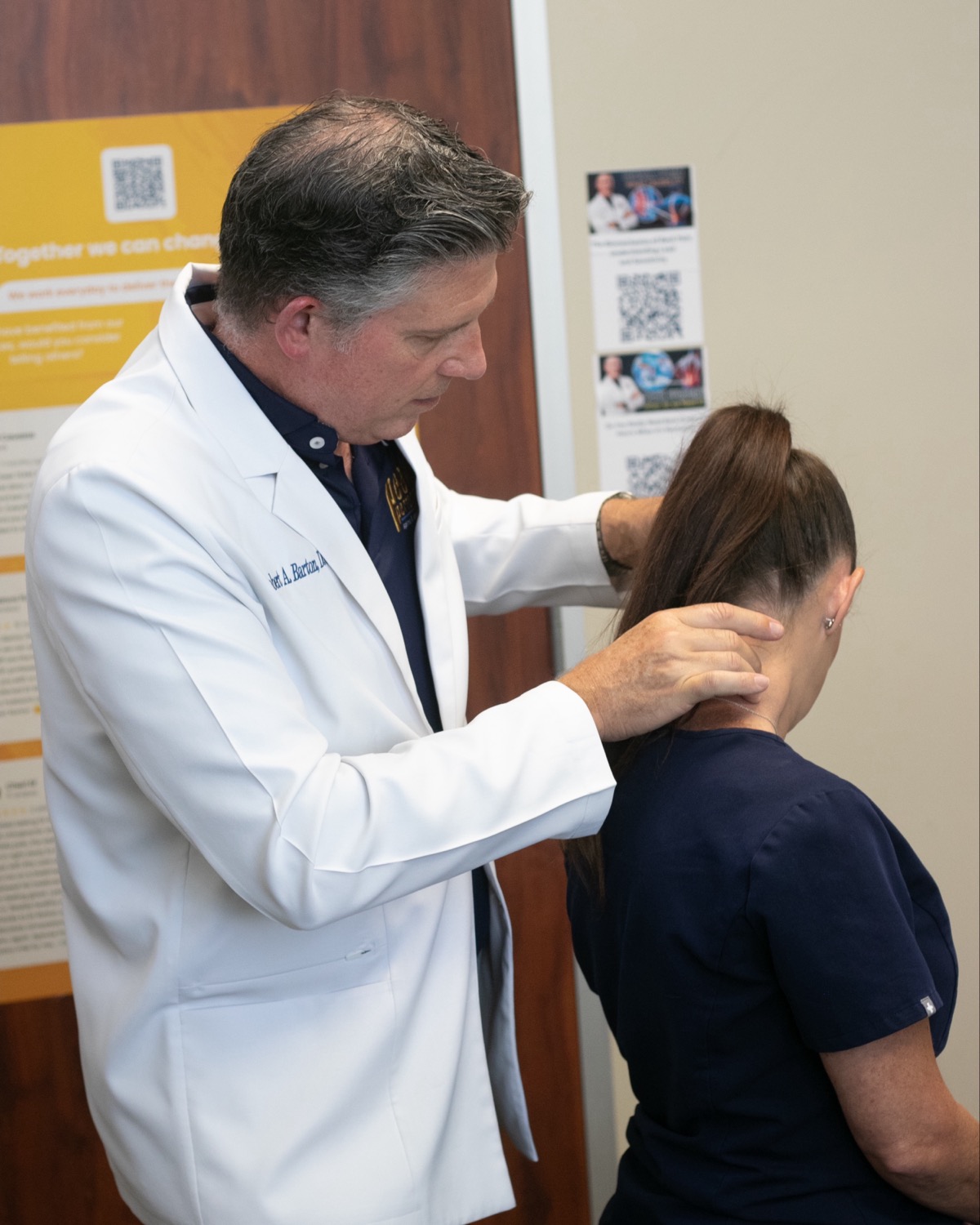
Soreness that shows up after the adrenaline fades is normal — and worth evaluating now, while healing is just starting.
What to do in the next 72 hours →You're not imagining it — many PCPs and urgent cares turn away accident cases over billing. We don't.
Why — and what we do differently →"I felt fine at first" is the most common sentence in this clinic. It's not too late — and you're not imagining it either.
Why pain shows up late →If you've heard that from a family doctor or urgent care since your accident, here's what's actually happening: their billing systems are built for health insurance — and in an accident case, auto insurance is responsible first. Rather than deal with claims and liens, many offices simply refuse accident patients or demand cash up front. You get turned away twice: once by the crash, once by the system.
We built our practice to be the opposite.
Accident injuries are a core part of what we do — the medicine and the logistics:
You pay nothing out of pocket at your first visit. We bill the coverage responsible for your accident — that's our job, not yours.
Not a 6-minute intake. The full story of the crash, a hands-on exam, and treatment that usually starts the same day.
Accident cases need records that clearly tie your injuries to the crash. We write them that way from visit one — for your recovery first, and for your claim if you need it.
Before you leave, you'll know exactly which coverage applies and what happens next. More below.
In a crash, your head goes one way and your body goes another. Soft tissue — muscle, fascia, ligament — gets stretched past its elastic limit, and it tears. What happens next runs on a biological clock that has nothing to do with how you feel at the scene:
Inflammation rushes in. This is the early pain — and for many people, adrenaline hides it completely for a day or two.
Scar tissue starts forming.
The contraction phase begins — healing tissue tightens. And as it tightens, it starts adding load to the joints of your neck and back.
If the tissue heals short, stiff, and stuck, that load becomes constant. This is why so many people feel worse months after a crash than the week of it — the pain of the injury has been replaced by the pain of joints working under a load they were never meant to carry.
The honest version of the stakes: these are usually not life-threatening injuries. They are quality-of-life-threatening injuries.
The stiffened tissue keeps loading facet joints and discs for years — which can speed up wear and cost you margin you'll want at 50, 60, 70.
The tissue comes back flexible, the joints get their space back, and the crash can become a story instead of a condition.
The healing-stage timing above follows the standard wound-healing sequence described in the medical literature — inflammation, fibroplasia, contraction.
The full story of your crash — including the property damage, which genuinely informs how we order tests. Then a hands-on exam: we gently add a little load to your neck and low back and listen for which tissues are sensitive, and we measure range of motion (usually limited more on one side). Most patients get their first treatment the same day — it's gentle, and feels mostly like stretching. Before you leave: the insurance conversation, in plain English.
We treat the torn, healing soft tissue so it can regain proper flexibility — and so the muscle layers can keep their glide instead of healing stuck together. This is the window where how you heal is decided.
After about two weeks we re-test: does a little additional loading still light things up? If not — excellent, we finish the course and release you.
Still sensitive under load? We order MRIs of the areas of complaint. The purpose is specific: find out whether the joints themselves were damaged. We review the images with you, at the screen, in plain English — that's house policy.
Around ten sessions on the DRX9000 to unload the damaged joints and let them calm down and heal. Not an open-ended program — a short course with a defined end.
You're done when your spine tolerates additional loading with minimal sensitivity — not when a visit-count runs out. Where indicated along the way: StemWave for stubborn tissue, massage/myofascial therapy for the rubber-band tension.
Peak Performance is part of a network of clinics across the Greater Houston area that treat auto-accident patients every day. For you, that means the walls of this clinic aren't the limits of your care:
When your re-check calls for an MRI, we order it, schedule it, and handle the paperwork — you don't hunt for an imaging center or wonder who pays.
Orthopedic surgeons, pain management, neurology — if your recovery needs them, the referral comes from us, with your records and imaging already in hand, and the coordination handled.
Whether your case stays entirely in this office or involves three specialists, it runs through one coordinated plan — and you always know what's next.
Protective education, not legal advice: the goal is that you understand everything before you sign anything.
Adrenaline masks symptoms, and the contraction clock starts in about two days. Early evaluation is better medicine and better documentation.
Vehicle damage and any bruising — bruises fade fast, and both matter to your medical record.
One place, one folder — it helps everyone coordinating your care keep the record straight.
We'll help you navigate from wherever you are.
Early settlement offers ("swoop and settle") come before you can possibly know what's injured. Signing early can forfeit coverage for injuries that show up on the healing clock.
Bring it to us first — we'll help you understand what it is. (We're doctors, not lawyers — but we've seen a lot of these documents.)
If someone you never contacted calls offering a doctor and a lawyer, that's usually an illegal solicitation — a "runner." Hang up. You choose your care; nobody's allowed to sell you.
Everything above, plus what to expect week by week — the guide we give every new accident patient. Free download.
No spam — just the guide.
Here's the short version of how accident care gets paid for in Texas:
The evaluation is no-cost, and our goal through your whole recovery is keeping your personal expense as close to zero as possible.
…the at-fault driver's insurance is ultimately responsible for accident-related care — which is exactly why many family doctors won't touch these cases, and why we're built to.
Texas accident cases work in an order: auto-related coverages typically come first; major medical usually steps in only after those are used up. We know the order and run it for you.
Texas insurers must include at least $2,500 per person of Personal Injury Protection (PIP) in every auto policy unless you rejected it in writing. Many of our patients discover they've been carrying it for years.
Letters of protection, records, reports, communication. And if someone's asking you to sign something first, see the DON'T list above.
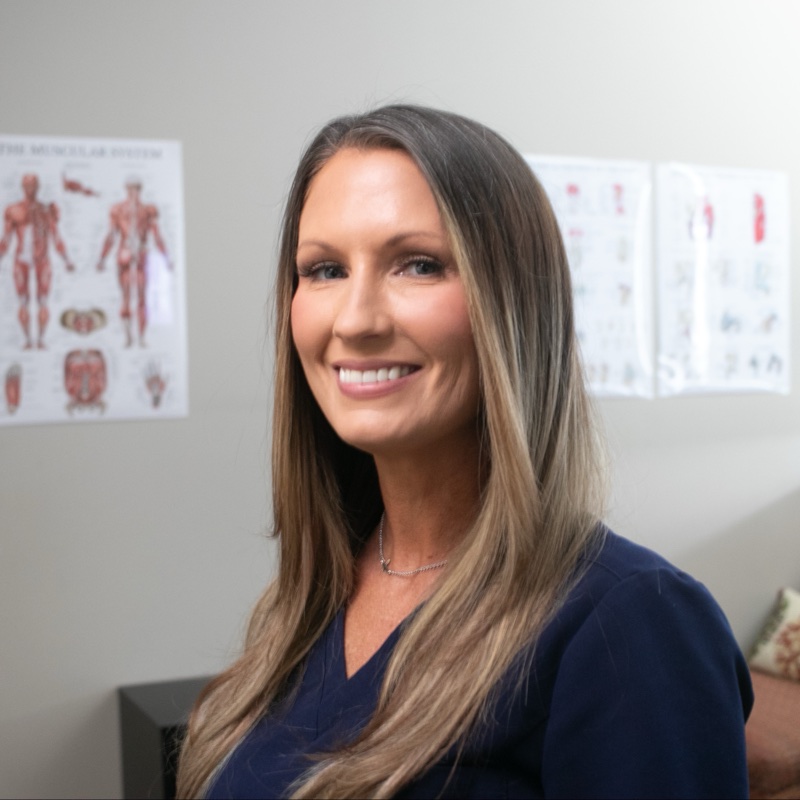
Amanda Rogers, our insurance coordinator, is the person Google reviews name for untangling exactly this. She'll map your actual situation before you decide anything.
"After being rear ended… desperate to find a doctor who would navigate through all the insurance red tape… they went out of their way to help me and they made me feel like family."
"Worked wonders on my neck and back after I got rear ended in 2018. Now three years later they are completely helping me again after getting hit by an uber eats driver."
"Since being injured in a car accident… I feel as if he genuinely cares about you getting better. My hip pain has been severe and he sent me out for another MRI to figure things out."
No — nothing out of pocket at your evaluation. We work directly with the coverage responsible for your accident care, and we go over everything clearly so you always know where you stand.
A real sit-down about your crash, a hands-on exam (gentle loading + range of motion), usually your first treatment the same day, and the insurance conversation in plain English.
The most common injuries here are soft-tissue injuries with a delayed clock — adrenaline hides the early pain, scar tissue starts within hours, and tightening tissue starts loading your joints within days. An evaluation now is cheap insurance on both your health and your record.
Perfect — bring your paperwork and any imaging. ERs rule out emergencies; they don't manage soft-tissue healing. That's the follow-up care they told you to get, and the part your PCP likely can't take.
Not about your injuries — not until you've been evaluated. Statements and signatures made before you know what's injured can limit your care later.
If your re-check says you need one, we order it, schedule it, and handle the paperwork — then review the images with you at the screen.
We refer directly — orthopedics, pain management, neurology — and coordinate the details, so you're never left finding your own way.
It depends on what's injured, but the shape is consistent: about two weeks of soft-tissue care, a re-check under load, and imaging or a short decompression course only if the re-check calls for it. You're released when your spine tolerates load quietly — not when a punch card runs out.
No — and you're describing something we see weekly: tissue that healed stiff and started loading the joints. The approach changes, but the model is the same: find the loaded structure, unload it, restore the margin.
That's your decision, and we don't give legal advice — we're doctors. Whatever you decide, we make the medical side seamless: records, reports, and communication, handled.
Scar tissue starts forming within hours; tightening starts within days. The best time for an evaluation was the day of the crash. The second-best time is today — same-day appointments, a no-cost evaluation, no paperwork maze.