If your back pain keeps coming back — after rest, pills, therapy, adjustments, or injections that wore off — the problem usually isn't that nothing works. It's that nothing you've tried changes the load on the tissue that hurts. Decompression does exactly that. This page explains how, who it's for, and who it isn't for.
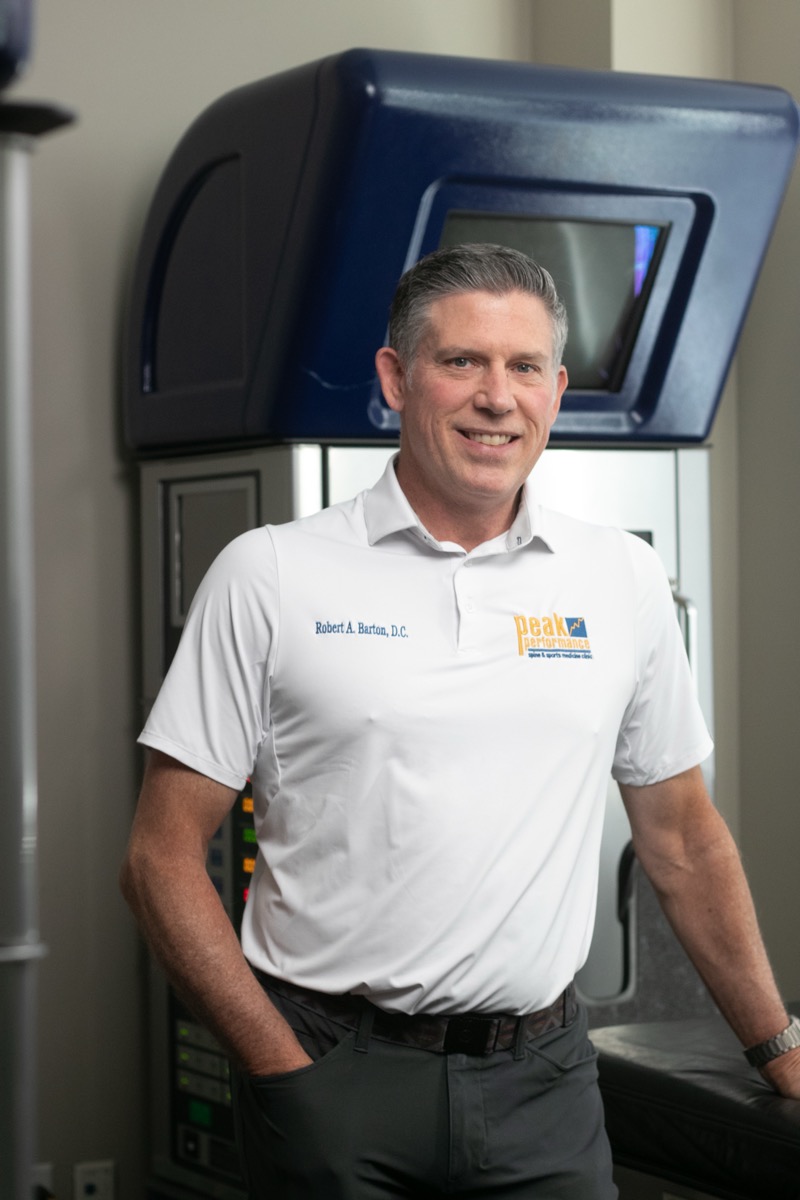
Just like a surgeon wouldn't operate on someone whose back pain started last week, we don't put recent-onset pain on a decompression program.
Back pain needs two ingredients: too much load on a tissue, and a tissue that has become sensitive underneath it. Everything on this page follows from that.
Bend a healthy knuckle backward. At first, nothing — it's built to take that. Hold it there long enough and it starts to complain. Nothing is "damaged." It's a normal tissue under a load it was never meant to carry all day.
That's most chronic back pain: not broken — overloaded, and sensitized by time.
Pull one finger gently back and hold. The first ten seconds are free. The next ten minutes wouldn't be. Your spine runs that experiment every day — it's called sitting.
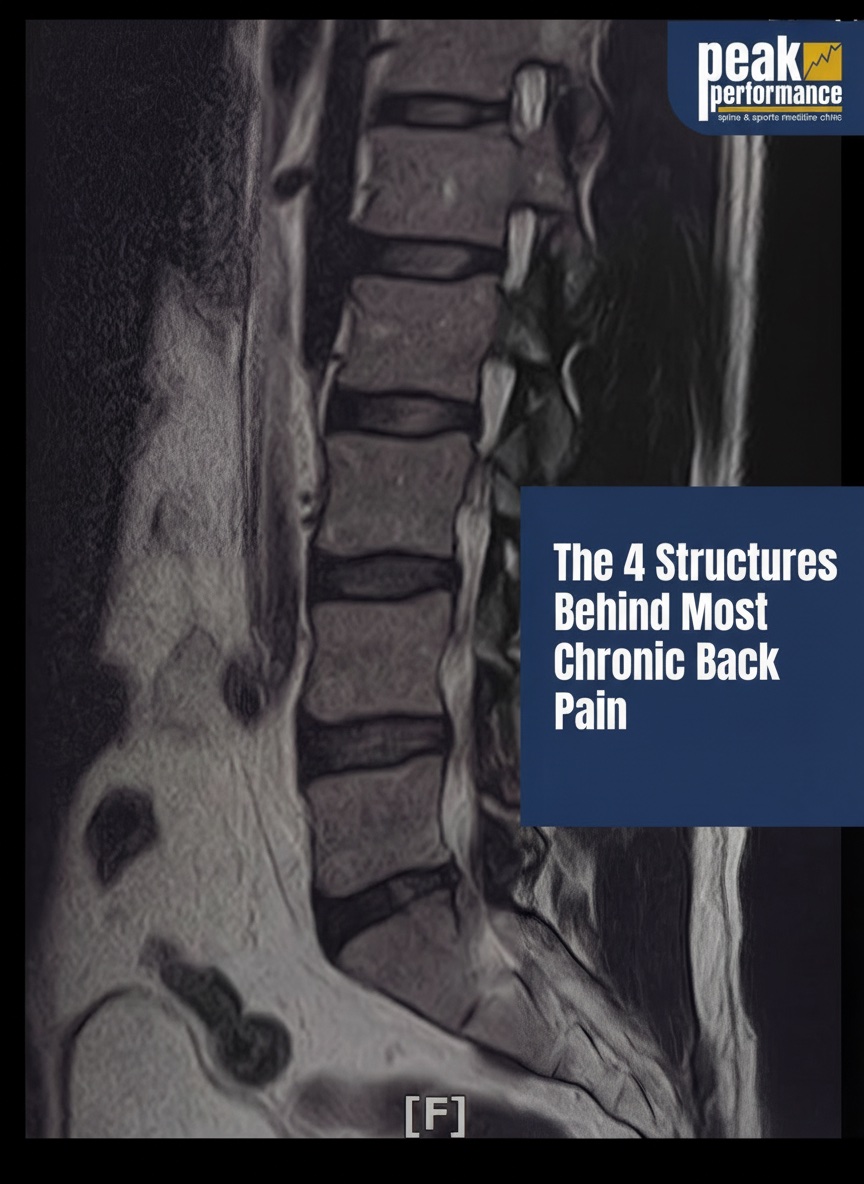
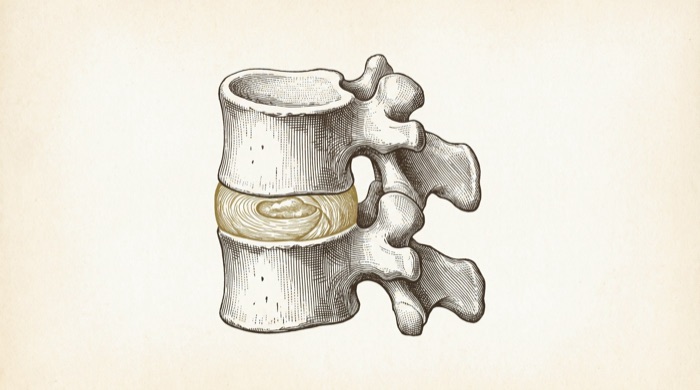
The spine's cushions — compressed all day, every day.
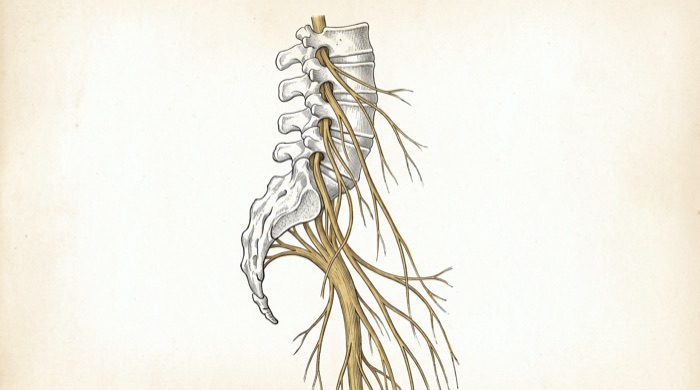
Irritated when the space around them shrinks.
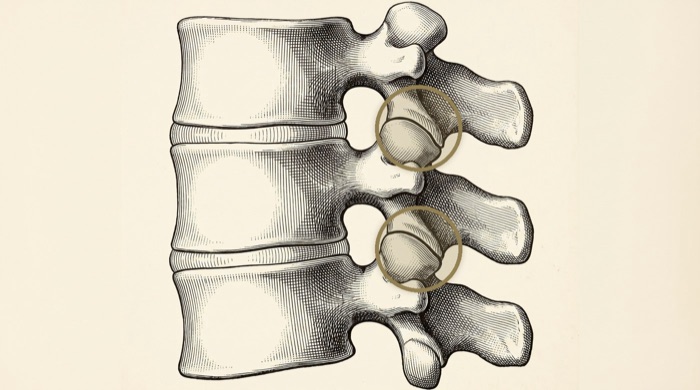
The spine's hinges — they take load the discs can't.
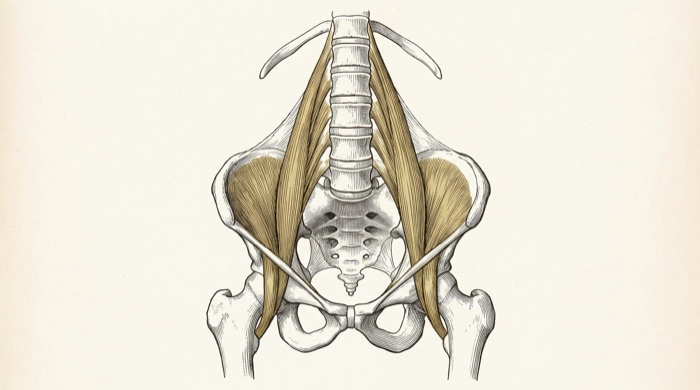
Load the spine in tension, like big rubber bands pulling down.
(A fifth is bone. If bone is the problem, that's not us — see the honest filter above.)
Say your back's limit is 100 and daily life keeps it at 80: you're one grocery bag, one weekend project, one sneeze from a flare-up. Drop the resting load to 40 and you have 60 points to live on. Same spine. Different life. And it's why "my back went out over nothing" was never really over nothing.
You already know unloading works. That instinctive lean on the shopping cart — elbows down, back rounded? That's you decompressing your own spine, crudely. The relief is real. What's missing is the dose, the direction, and the progression. That's what the machine is for.
Lowered your activity — not the load. You're still upright, still sitting, still sleeping on the same spine. Gravity doesn't take a vacation.
Turned down the alarm. It didn't move what set the alarm off. Your back isn't stronger — it's just less sensitive until you retrigger it.
Calmed the sensitivity, and that relief was real. But the load never changed, so the sensitivity climbed back. If your shot worked and then wore off, that's not a dead end — it's a diagnostic clue about what your back actually needs.
Restored joint motion, and motion matters. But motion isn't sustained unloading. Different tool, different job.
Tried to strengthen a back that never got unloaded enough to calm down. Right tool — wrong sequence. Unload first, then strengthen.
Most people we see are trapped between two fears: surgery, and pills forever. Decompression is the corridor between them — no scalpel, no prescription, a defined program with an end date.
Spinal decompression on the DRX9000 is computer-controlled traction that gently pulls the spine to unload its structures — the only practical way we know to unload all four pain-producing tissues of the spine at the same time.
What a session is like: you lie down, secured in a harness. The machine pulls — a very gentle stretch, dosed precisely, cycling on and off. Most people find it comfortable; some fall asleep. Early in a program you may feel fragile getting off the table. Weeks in, patients tend to just hop off.
Progressive dosing is the point. We start light and build session by session as the tissue desensitizes — the same way you'd rebuild tolerance anywhere else in the body. If we started at week-six intensity on day one, you wouldn't thank us.
Typically 24 sessions plus 6 monitoring visits; some cases run shorter. Either way you know the shape of it before you start. No open-ended plans, no sign-today pressure, no membership.
We can't measure back pressure directly — we can only look for evidence of it. The monitoring visits are where we look.
Some change expected by about two weeks. Not meaningfully better by about a month? We say so — and talk openly about adding pain-management care alongside, or a different path entirely. You're never strung along.
Gravity doesn't retire. Most graduates come back 2–4 times a year — like a dental checkup — so we catch loading before it can become sensitivity again. The better we do our job, the less you need us.
The decompression industry earned its skeptics — inflated claims, pressure contracts, prices that drop $2,000 when you hesitate. We run the opposite play, and it's structural, not cosmetic:
Detached disc fragment? Decompression can't unload anything there — surgery can pluck the fragment off the nerve, and that patient needs a surgeon, not a program. Bone-caused stenosis? We say that too.
We won't quote you a percentage. What we'll show you is your exam and your imaging, and whether your problem is the kind unloading helps. "Properly selected" is the whole game — it's why we screen hard.
Programs are sized to the case — some run shorter than others — so the honest number is the one for your case, stated plainly at the consult, before you decide anything. No decoy discounts, no hesitation pricing. Amanda runs your actual insurance numbers first, because many plans that "cover" decompression cost more out of pocket than the care itself.
Reddit's standing advice for decompression: "find a place that lets you pay one appointment at a time to make sure you're getting a benefit before you commit." That is literally what the $49 first visit is.
"No doctor really fixes the back. We manage it — and managed well, that looks like margin: doing what you love, with room to spare."
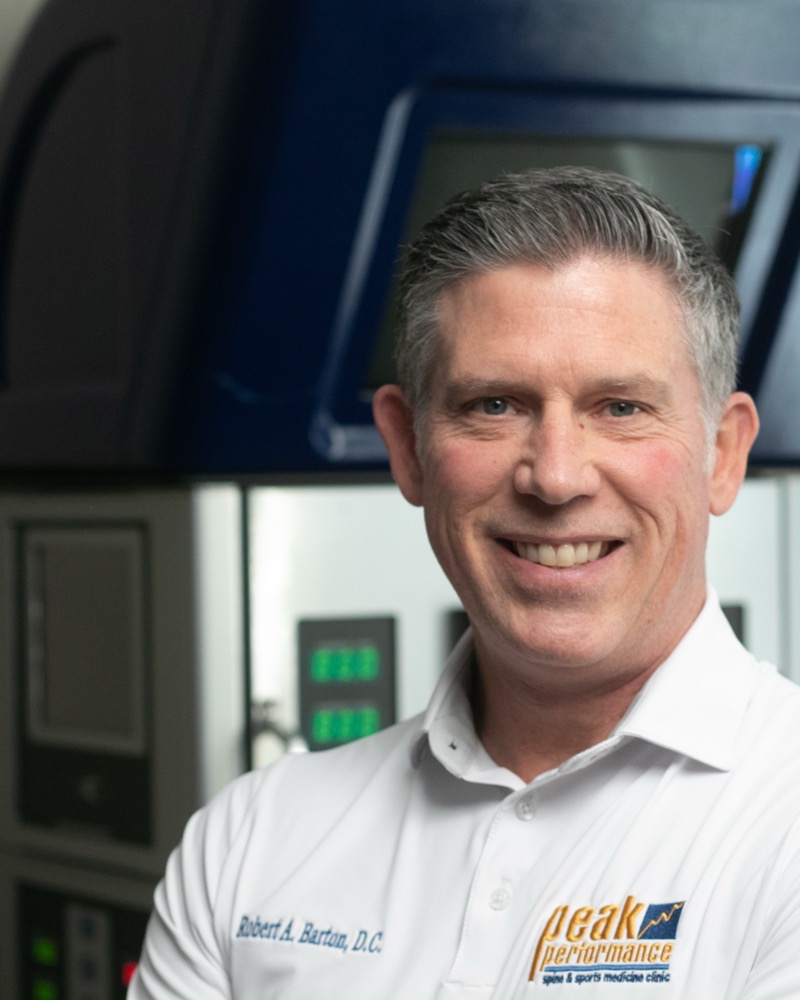
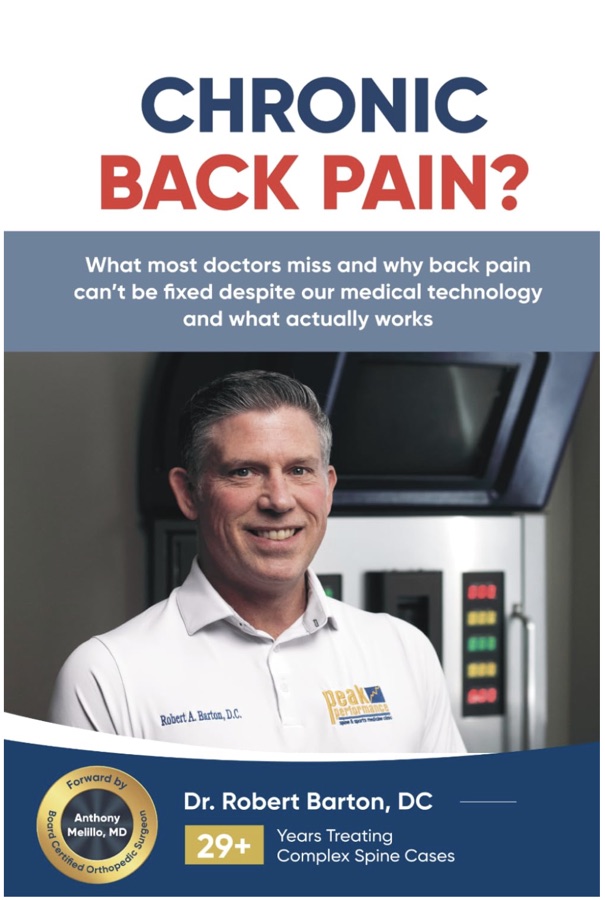
In 2005, he was the patient: a lumbar disc herniation, a surgical consult he didn't want, and a recovery he found on a decompression table instead. He bought his first DRX9000 on Valentine's Day 2006, and has run his practice on the loading model since — 29+ years of clinical practice, advanced training through a neurosurgery rotation, thousands of MRIs reviewed at the screen with the patient watching, and a book — Chronic Back Pain? — on why pain keeps coming back after treatment.
He also knows decompression's limits firsthand: years later, a separate bone-caused neck problem needed a surgeon — because bone doesn't decompress. When surgery is the right tool, we say so.
The next step isn't a commitment — it's an exam, a real session, and a straight answer. The exam itself is simple: we add load to each structure, gently, and see which one complains. That's it — the mechanism, demonstrated on you.
We can't promise outcomes — no honest doctor can. We promise a flat $49, a doctor who doesn't watch the clock, and a straight answer: decompression fits your problem, or it doesn't and here's what's next.
This month’s vouchers remaining. When they're gone, consultations book at $159. The count only changes when reality changes.
$49 offer not available to Medicare, Medicaid, or other federal health program beneficiaries. This visit determines whether decompression fits your case; it is not a promise of outcome. Requests are confirmed by a call from our staff.
This page is the short version. The book — Chronic Back Pain? What Most Doctors Miss — lays out the entire loading model in plain English: why pain keeps coming back, what each treatment can and can't do, and how to think about your next step the way a clinician would.
Foreword by Anthony Melillo, MD, board-certified orthopedic surgeon.
"I have been to 4 chiropractors in past 20 years and Doctor Barton is the best… he does not try to 'sell' you on the idea of coming in once per month. In contrast, he helps you get better to the point that you only need a 'tune up.'"
"Awesome care and treatment for my back. He rescued me from having to have surgery with his combination of DRX and Chiropratic and now helps me stay healthy with regular maintenance."
"My treatment started 2–3 times a week for the first month… as my back started to heal the visits were extended… I move better and feel better than I have in years."
"Both Drs are kind and genuine… Dr. Barton doesn't recommend you a super long consistent plan… You come back as needed."
No. Adjustments restore joint motion; decompression is sustained, dosed unloading. Different tools for different jobs — and the exam tells us which one your problem needs. Sometimes it's neither, and we say so.
Relief that wore off is information: your sensitivity responded, but the load never changed. Decompression works on the load side of the equation.
No. A program defined upfront — typically 24 sessions plus 6 monitoring visits, some cases shorter — with checkpoints that can stop or change the plan.
We don't quote success rates — this industry burned that trust for everyone. The $49 visit exists so we can examine whether your problem is the kind unloading helps, and you can feel a full session, before you commit to anything.
A gentle, cycling pull. Most people find it comfortable. Early on you may feel fragile getting off the table; later, patients tend to hop off.
Typically some change within about two weeks. If there's no meaningful improvement in about a month, we talk openly about changing the plan — including care we don't provide.
The program ends. Gravity doesn't. Most graduates check in 2–4 times a year so we can catch loading before it can become sensitivity — the better we do, the less we see you.
Often the honest math surprises people: plans that cover decompression frequently cost more out of pocket than the care itself. Amanda runs your exact numbers before you decide anything.
Bring your MRI — or we'll help you get one. Your first visit is an exam, your imaging in plain English, and a real decompression session. Then a straight answer.